
Funky Time: DigiWheel and Disco Bonus Formats
The disco setting brings four bonus formats around a DigiWheel. Read how segment multipliers and feature entries work, with a clear distinction between show presentation and the outcome of a paid round.

Find individual explanations of card tables, live shows, reels and short rounds. Scores from the original listing have no stated assessment method.
The disco setting brings four bonus formats around a DigiWheel. Read how segment multipliers and feature entries work, with a clear distinction between show presentation and the outcome of a paid round.

See how groups of symbols qualify across the screen, why winning symbols are replaced and where Zeus multiplier gems apply. The review explains mechanics without turning maximum values into expected returns.

A dealer stream shows a physical wheel while the interface controls selections. Read what to inspect in the video, wheel variant and settlement rules before judging a live roulette table.

Compare thirteen-card hand building with the service questions that surround it. This article covers valid combinations, mobile controls and payment conditions without assuming AI999Game outperforms a dedicated Rummy app.

Understand the three-card format commonly called 3 Patti, then distinguish virtual chips from money at stake. The review also identifies the security and withdrawal claims that require supporting evidence.

Traditional Teen Patti rules can appear in apps with very different balances and costs. Read about hand strength, the showdown and the limits of the comparison with Teen Patti Gold.

Follow the main wheel alongside the Top Slot, then identify the four bonus formats. This overview explains the sequence viewers see instead of presenting large multiplier examples as likely financial results.

The small main grid sits beside an additional multiplier display. Review the advertised values, Lucky Wheel conditions and the distinction between a slot feature and claims about the account hosting it.

A blackjack decision depends on the hand, dealer rules and available actions. Learn what to check in a streamed table, including card visibility, decision timing and the conditions for splitting or doubling.

Shorter Ludo matches introduce timing questions alongside familiar board movement. Read a measured comparison of formats, controls and entry conditions, with no assumption that real-money play makes an app better.

This Rummy article concentrates on the sequence of sorting, drawing, discarding and declaring. It considers the controls a player needs to locate while keeping card uncertainty separate from interface design.

Aces, Kings, Fours and Sevens are wild ranks in the described AK47 variant. See how substitution changes possible hands, and why the table’s ranking definitions still need careful reading.

The Pro name comes with claims about statistics and higher limits. This review asks readers to verify product identity and actual features before treating that label as an official Aviator upgrade.

A rising flight multiplier can end before an exit completes. Read the difference between active and settled value, along with the separate questions around round verification, connectivity and withdrawal processing.

Hindi commentary may help some readers follow a roulette table, but it does not change the wheel or certify the service. Compare language, payment availability and operator information as separate details.

Playing-card artwork frames a slot with cascades and Golden-Card effects. Follow the described conversion and replacement sequence, then check the actual paytable for multipliers and the free-spin trigger.
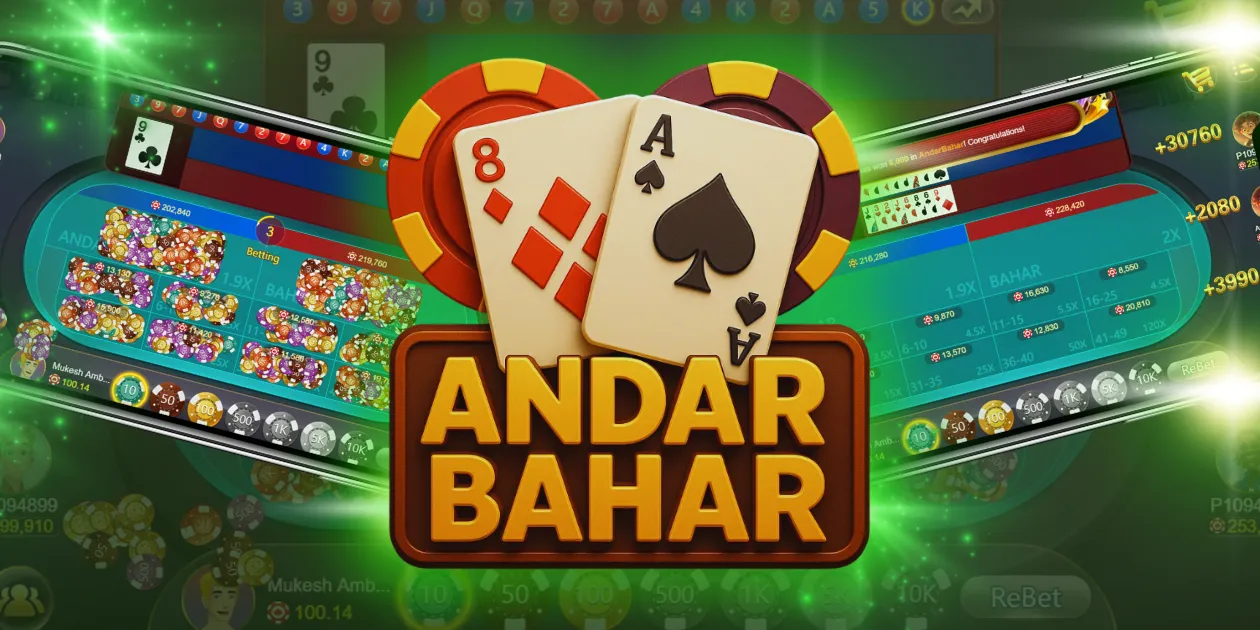
The Super variant adds multiplier-linked side selections to the familiar two-side deal. Read the main positions and side bets separately, including when a multiplier qualifies for the final settlement.
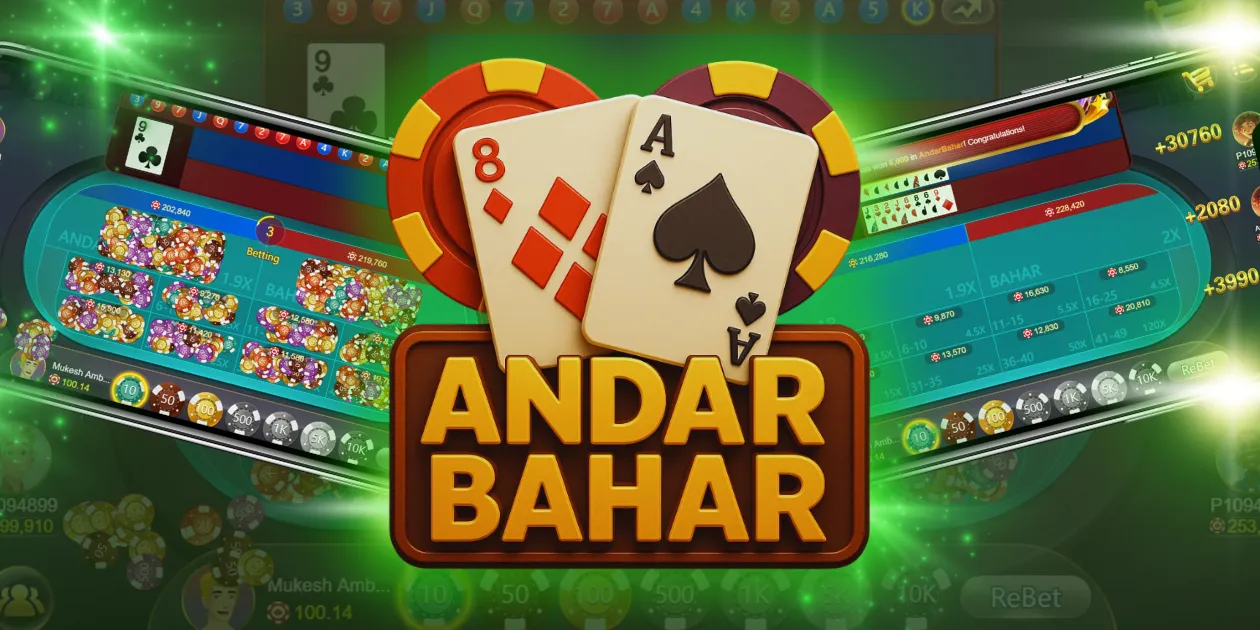
A reference rank determines when the alternating deal ends. This explanation covers the order of cards, table-specific payouts and why live video cannot by itself establish an operator’s reliability.

Learn what it means to support or oppose an outcome in a matched market. The article distinguishes back-and-lay mechanics from unverified claims about liquidity, live data speed and instant payments.

Dragon Tiger compares two exposed cards, with tie treatment adding an important rule. Read how to follow the ranks, check the table interface and avoid reducing the format to an unconditional 50/50 claim.

Bosses and special weapons are only part of a fishing session. Review cannon values, target conditions and the cumulative cost of firing before assuming that aiming alone determines a financial result.

Thirteen cards must be distributed across a back, middle and front hand. Read how validity and balance matter, then separate the arrangement problem from unsupported comparisons between different Pusoy services.

A numbered wheel can continue spinning after a multiplier result. This overview traces the sequence through settlement and explains why a bonus position is not necessarily an immediately completed payout.

A cannon fires paid ammunition at targets with different advertised values. Read about shot costs, special encounters and capture conditions before treating a large boss or jackpot label as a likely reward.

The Caishen theme uses wealth imagery around a five-reel listing. Examine the described free-spin and retained-Wild feature, with version checks separating actual game rules from the promise implied by its artwork.
Two dealt hands replace the personal hand decisions of conventional Teen Patti. See what the A, B and tie selections mean, and why the table’s settlement rules matter despite its short rounds.

Tongits involves melds and the value remaining in a three-player hand. This introduction separates those card rules from the platform’s security, catalogue and payment claims, which need their own verification.

Bidding sets a target for the tricks a player must take. Explore the shorter match described by Callbreak Quick, checking scoring, table availability and entry costs before interpreting speed as an advantage.

Each safe tile offers a decision between ending the round and exposing more value. Learn how mine count, displayed returns and a completed exit differ, without assuming old grids reveal future safe positions.

The two broad dice ranges and exact seven cover different combinations. Review the quoted paytable and platform claims while keeping a larger possible payout separate from the probability of achieving it.

Three reels and a single line create a familiar slot display. Read the symbol and account conditions that still matter, including how RTP descriptions differ from the outcome of a short session.

The original Fortune Gems centres on a main symbol grid and fourth-reel multiplier. Compare that structure with the sequel’s advertised additions, checking each version rather than assuming all features carry over.